I’ve signed up for a six week series of lecture sessions called “Understanding Antisemitism”, the goal of which is to bridge gaps in comprehension and awareness as well as build up partnerships between Jews and non-Jews. The first session was last week and well attended by a fairly diverse bunch of people; I’ve been told that they’ve gotten even more signups for the next session which takes place tomorrow. While I don’t anticipate having any major revelations, being well-versed on the topic as an educator of it myself, I look forward to the dialogue and am glad the program is taking place in general.
Last week was something of an introduction, involving information and discussion about the history of antisemitism and how we still find ourselves battling it after so many centuries. One person attempted to argue that until World War II, Jews were too passive and didn’t really resist the persecution that befell them.
Not only is this blatantly untrue, it’s a huge misconception that I took umbrage to and made a point of countering then and there. It’s crucial to make clear that Jews did not go to the gas chambers like sheep to the slaughter, nor were they sheep in all of the instances of threat and persecution before that. Last Thursday, there was very little time to make a point that I spend multiple classes making each year with my students, but I did my best, and I feel compelled today to expand here where I couldn’t do so last week.
Yes, sometimes resistance looks like armed combat. (For the record, we have plenty of examples of that from antiquity to modernity.)
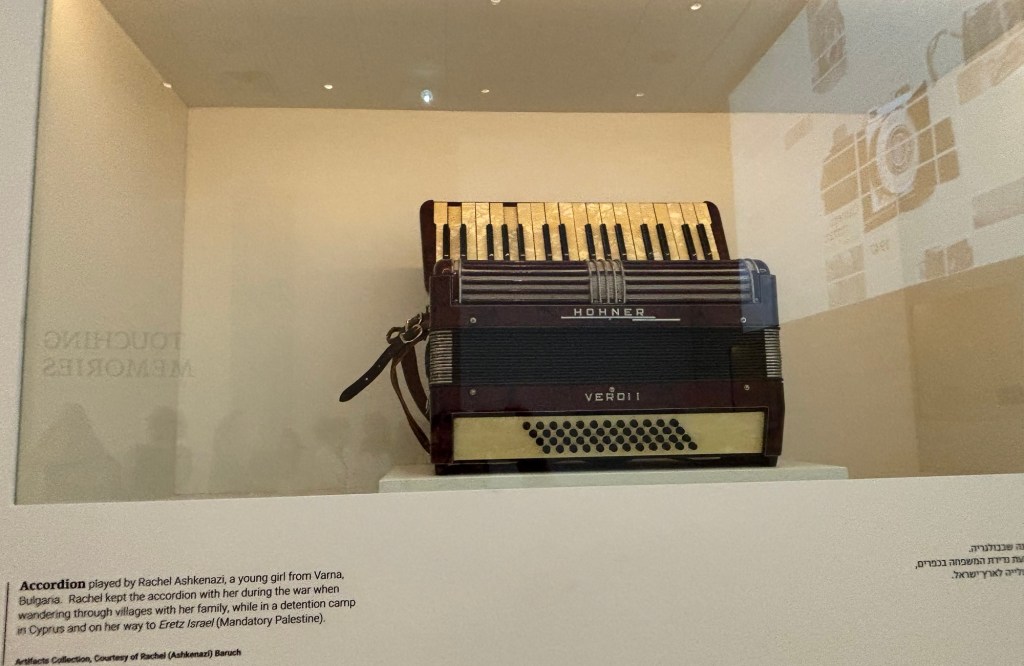
And sometimes it looks like creating art and music and poetry while you’re surrounded by decay and death.
Sometimes it looks like converting to their religion on the outside, but keeping true to yourself on the inside, saying secret prayers in a language that sounds close enough to Spanish that prying ears won’t question it.
Sometimes it looks like sending your children away in the hopes they’ll get to keep their lives, while you face losing yours.
Sometimes it looks like writing down your story in the hopes that people you won’t be alive to meet will read it and take courage from your example.
Sometimes it looks like fighting to stay alive for days beyond count deep underground in terror tunnels, refusing to give the terrorists the satisfaction of watching you give up even when they make you dig your own grave and video-record it as proof of what they think is victory.
Sometimes it looks like standing at the back of a truck with a bullhorn, screaming your child’s name across the desert in the hopes that he is still alive to hear you.
Sometimes it looks like dancing in the desert on Simchat Torah again.
Sometimes it looks like love and weddings and children and family.
Sometimes…
Sometimes it looks like going to the mall after picking up your kid from school, realizing she’s wearing a shirt with the Jewish logo and school name on it, and after a moment of pause, deciding defiantly not to worry about it for once.
Because sometimes — sometimes resistance looks like the mere miracle of being alive. And three years on from the greatest devastation to Jews since the Holocaust, when you think about that miracle, all else falls away.
Am Yisrael Chai. The people of Israel live.
(Cover photo credit: me. I took this photo of an artifact that was on display at Yad Vashem when I was there last summer. I made sure to get the caption in the photo as well so the accordion and its owner’s story would be remembered.)

